Big Data, Sharp Focus: How to Stay on Top of Motorsport Data Analysis

Big Data, Sharp Focus: How to Stay on Top of Motorsport Data Analysis
In modern motorsport, data has become as vital as horsepower. Every lap, every gear change, every tire degradation is recorded, analyzed, and turned into decisions that can determine who stands on the podium. But with millions of data points streaming in from sensors, telemetry, and weather systems, staying on top of it all can be a challenge. How do teams make sure data becomes an advantage—and not a confusing overload?
From Raw Numbers to Real Insight
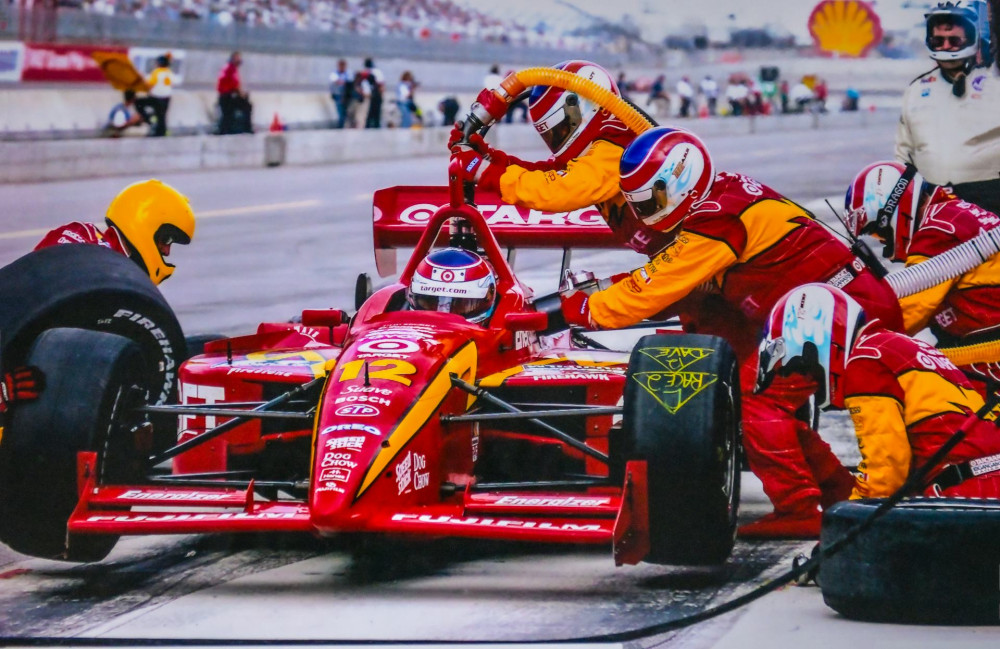
A single race weekend generates staggering amounts of information. Sensors track everything from engine temperature and brake pressure to aerodynamic load and tire wear. These data streams are transmitted in real time to engineers in the pit wall, who must translate them into actionable decisions.
But raw data alone isn’t enough. The key lies in finding patterns and relationships. A drop in tire grip, for instance, might correlate with a change in track temperature or a driver’s braking style. By combining data from multiple sources, analysts can predict when tires will lose efficiency—and plan pit stops at the perfect moment.
Visualization: Turning Numbers into Understanding
One of the most powerful tools in data analysis is visualization. Graphs, heat maps, and 3D models make it possible to see trends that would otherwise be buried in spreadsheets.
A simple color-coded map of brake pressure over a lap can reveal where a driver is losing time in corners. Comparing two drivers’ racing lines through a turn can show who’s using the track more efficiently. When data is presented visually, it becomes easier for both engineers and drivers to understand what needs to change—and why.
Focusing on What Matters Most
In a sport where milliseconds count, it’s tempting to analyze everything. But success often depends on choosing the right focus. For many teams, that means identifying the few parameters that have the biggest impact on performance.
In Formula 1, for example, teams often prioritize aerodynamic efficiency and tire strategy above all else. In NASCAR or IndyCar, fuel management and drafting dynamics might take center stage. By defining clear goals for analysis, teams avoid drowning in data and instead channel their resources where they make the greatest difference.
Læs også:

The Human–Machine Partnership
Even as algorithms and artificial intelligence play a growing role, human intuition remains irreplaceable. An experienced engineer can spot patterns a computer might miss—and a driver can feel subtle changes in the car that sensors can’t fully capture.
The best teams combine technological precision with human judgment. Data supports decisions; it doesn’t replace experience. It’s in this partnership between man and machine that the smallest, most decisive improvements are found.
Data Beyond the Track
Data doesn’t just matter during the race. Today, analysis is used to simulate strategies, predict weather conditions, and optimize car setups long before the weekend begins.
Simulation tools can run thousands of virtual laps to find the most efficient combination of tires, fuel load, and aerodynamics. Much of the work that wins a race now happens before the car even hits the asphalt.
Data for Fans and the Betting World
Outside the pit lane, data has also transformed how fans and betting enthusiasts engage with motorsport. Live telemetry, sector times, and weather forecasts give audiences a deeper understanding of how a race unfolds. Fans can analyze performance in real time, making predictions that were once the domain of professional teams.
For those who follow the sport closely, data isn’t just numbers—it’s a way to get closer to the strategy, the tension, and the tiny details that decide the outcome.
Clarity Through Structure and Collaboration
Ultimately, staying on top of motorsport data analysis comes down to structure. Clear processes, open communication, and a shared language between drivers, engineers, and analysts are essential.
When everyone knows which data matters most and how to interpret it, analysis stops being a burden and becomes a tool for speed, precision, and success. In the high-stakes world of motorsport, that clarity can make all the difference between finishing second—and taking the checkered flag.
Læs også: