Court Surface Speed and Its Impact on Tennis Strategy

Court Surface Speed and Its Impact on Tennis Strategy
When you watch tennis on TV, it might seem like the game always follows the same rhythm and rules. But the surface—grass, clay, or hard court—changes the nature of play dramatically. The speed of the court affects how the ball bounces, how players move, and how they build their points. Understanding court surface speed is essential for players, coaches, and fans who want to grasp the deeper layers of tennis strategy.
What Does Court Speed Mean?
Court speed refers to how fast the ball travels after hitting the surface. A fast court gives a low bounce and less reaction time, while a slow court produces a higher bounce and longer rallies. The difference comes down to friction, how much energy the surface absorbs, and how much speed the ball loses on contact.
- Grass courts (like those at Wimbledon) are the fastest. The ball skids and stays low, favoring players with strong serves and quick net approaches.
- Hard courts (used at the US Open and Australian Open) are medium-paced and versatile, rewarding both aggressive and defensive styles.
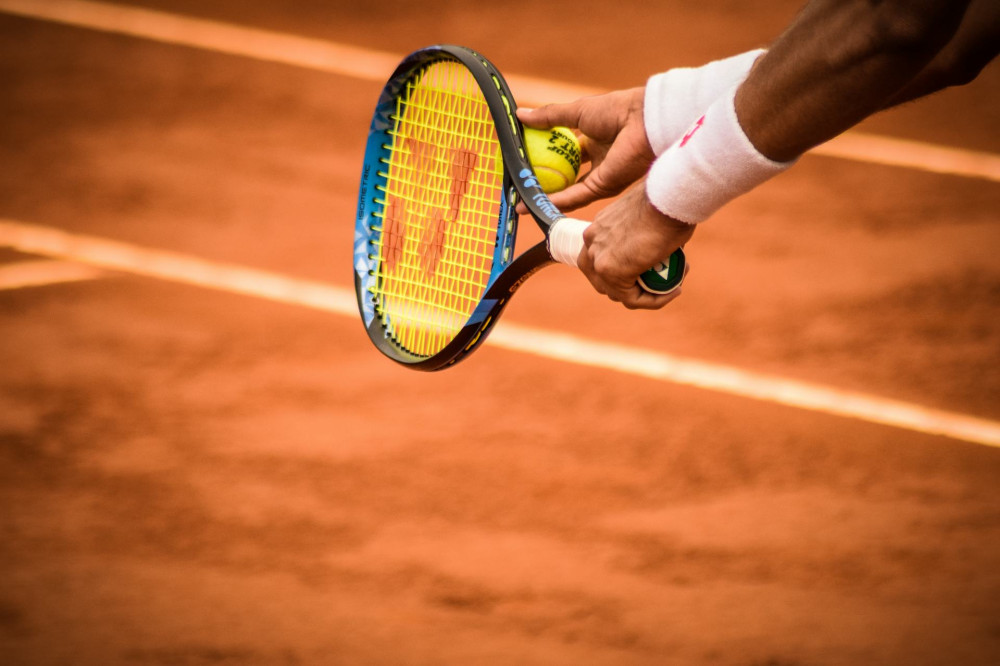
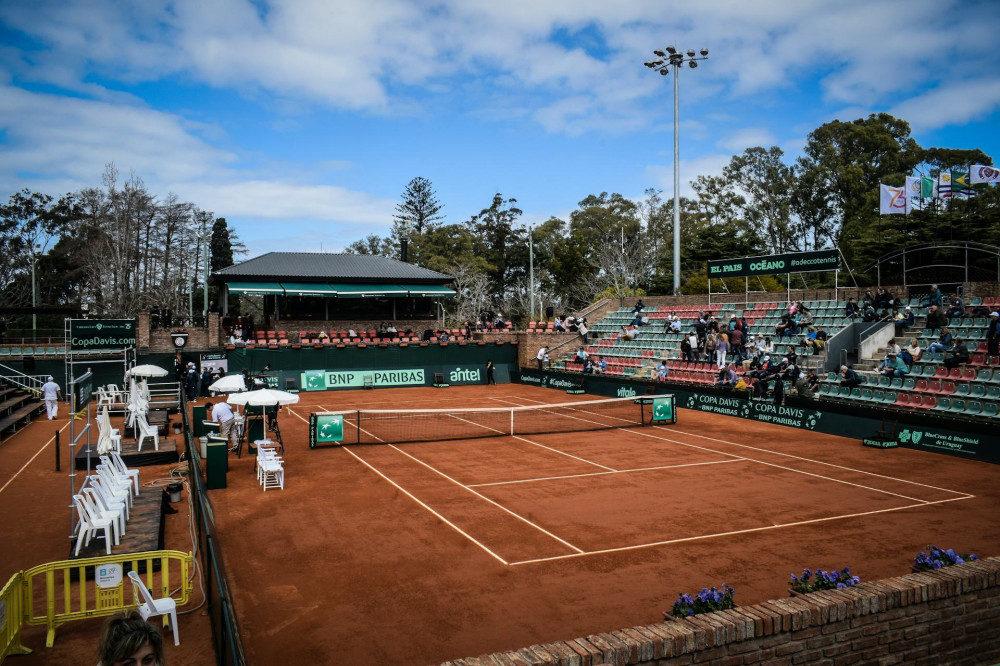
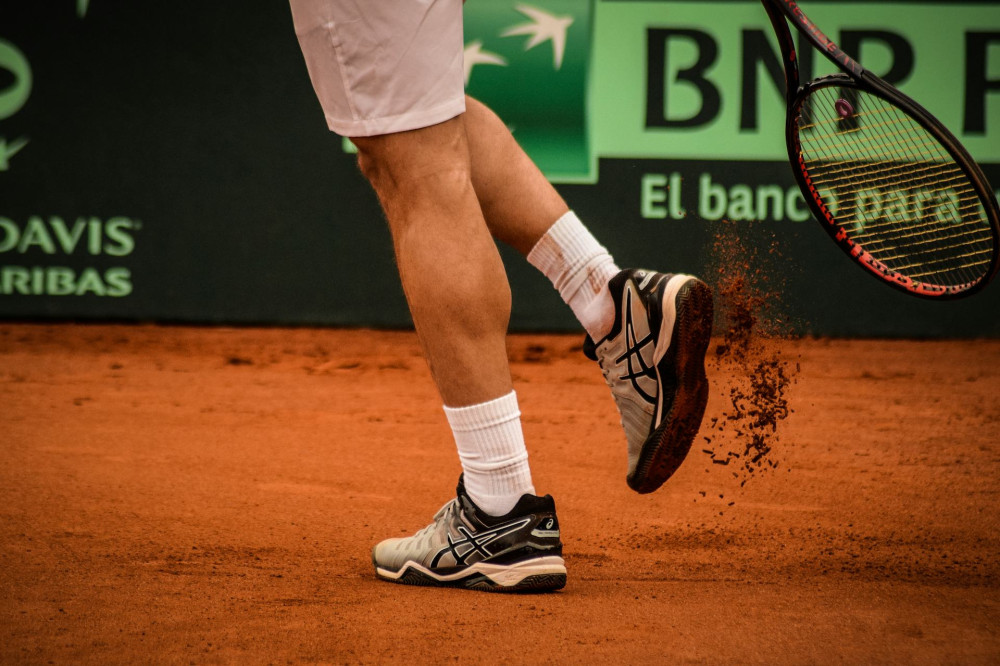
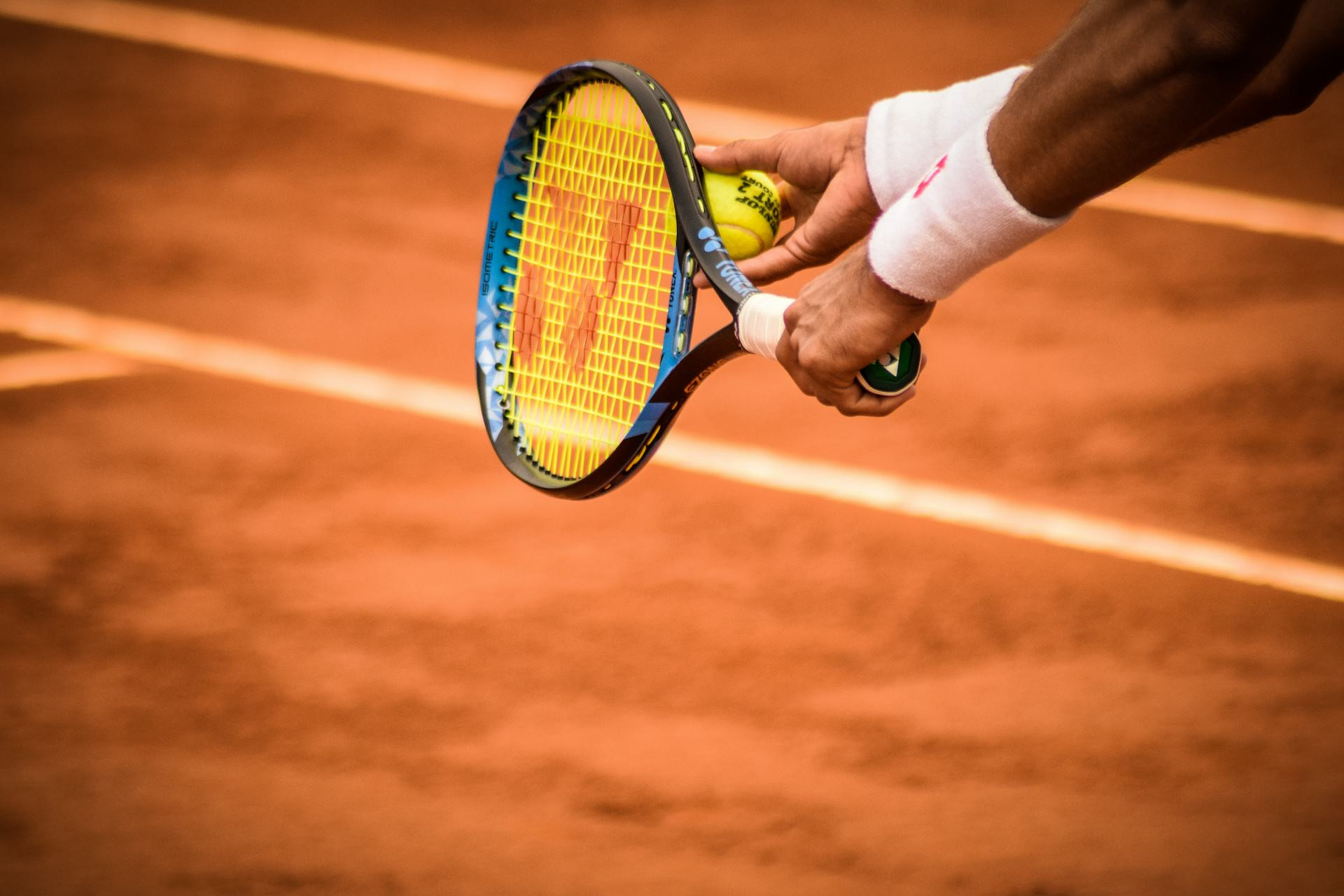
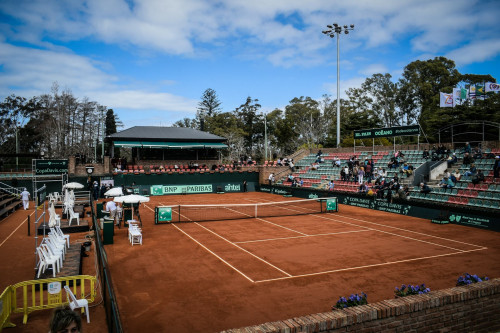
- Clay courts (like those at the French Open) are the slowest. The ball slows down, bounces high, and rallies stretch out. Patience and point construction become key.
Tactical Differences Between Surfaces
Each surface demands a different mindset. A strategy that works on grass might fail completely on clay.
Grass: Serve and Volley Dominance
On grass, taking control early is crucial. The serve becomes a major weapon, and many players rush the net to finish points quickly. Reaction time is short, so precision and timing are everything. The game is riskier—small mistakes can be costly—but aggressive play is often rewarded.
Hard Court: Balance and Adaptability
Hard courts offer the most balanced conditions. Players can mix offense and defense, adjusting to their opponent’s style. Flat shots and topspin both work well, and movement is more predictable than on grass or clay. Many players develop their most complete game on hard courts because the surface doesn’t favor one specific approach.
Clay: Patience and Endurance
Clay demands patience. The high bounce and slower pace make it difficult to hit outright winners. Instead, players rely on heavy topspin, long rallies, and strategic point construction. Endurance and mental toughness are critical, and defensive specialists often thrive here.
Læs også:

How Players Adapt
Top players are masters of adaptation. They adjust their technique, movement, and tactics to match the surface.
- Footwork: On clay, players slide into shots; on hard courts, they use short, controlled steps; on grass, balance is key on the slippery surface.
- Stroke technique: On fast courts, players hit flatter and take the ball early. On slow courts, they use more topspin and higher trajectories.
- Tactical positioning: Players like Novak Djokovic or Iga Świątek adjust their court position depending on how quickly the ball comes back, showing how flexibility is vital to success.
How Court Speed Shapes the Viewing Experience
Court speed doesn’t just affect players—it changes how fans experience the game. Fast courts produce short, explosive rallies and highlight-reel serves. Slow courts create long, tactical exchanges that test endurance and strategy. Many fans have favorite tournaments precisely because of these differences in tempo and style.
For American fans, this variety is easy to see across the tennis calendar. The US Open’s hard courts in New York deliver high-energy matches under the lights, while the clay events leading up to the French Open showcase grinding rallies and patience. Understanding how surface speed influences outcomes can even help fans make sense of why certain players dominate specific parts of the season.
A Sport of Many Faces
At its core, tennis is the same game everywhere—but the surface transforms its rhythm, strategy, and psychology. That variety is what makes the sport so captivating. Mastering the transition between surfaces is one of the greatest challenges in professional tennis—and one of the keys to understanding the game’s tactical depth.
Læs også: