Develop Your Understanding of Horse Racing Step by Step

Develop Your Understanding of Horse Racing Step by Step
Horse racing is a sport rich in tradition, speed, and strategy, combining elegance with excitement. To newcomers, it can seem like a complex world filled with unfamiliar terms and rules. But with the right introduction, you can quickly gain a solid understanding of how it all works. Here’s a step-by-step guide to help you understand horse racing—from the basic types of races to how to read a race program and follow the sport with confidence.
Step 1: Know the Different Types of Races
In the United States, horse racing comes in several main forms, each with its own style, pace, and tactics.
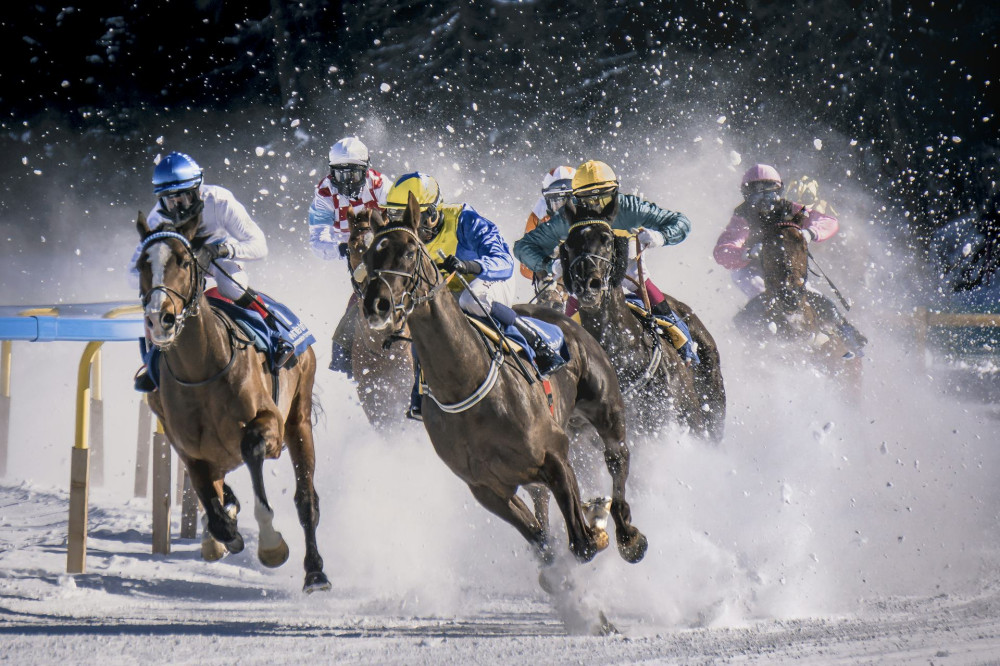
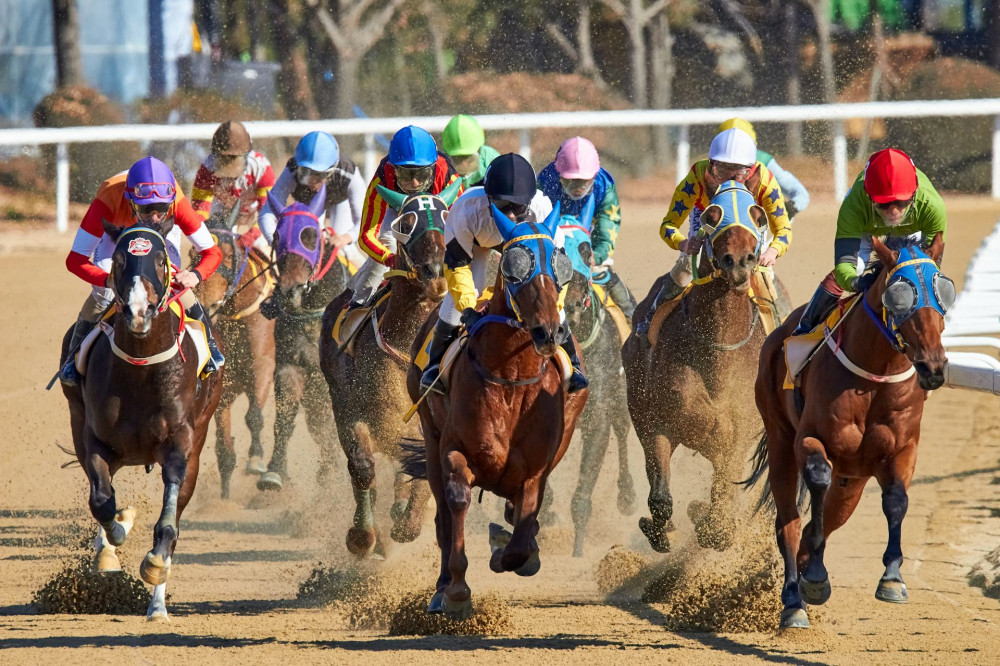
- Thoroughbred racing – the most popular form, where jockeys ride horses at full gallop around an oval track. These races are typically run on dirt or turf surfaces and emphasize speed, timing, and endurance.
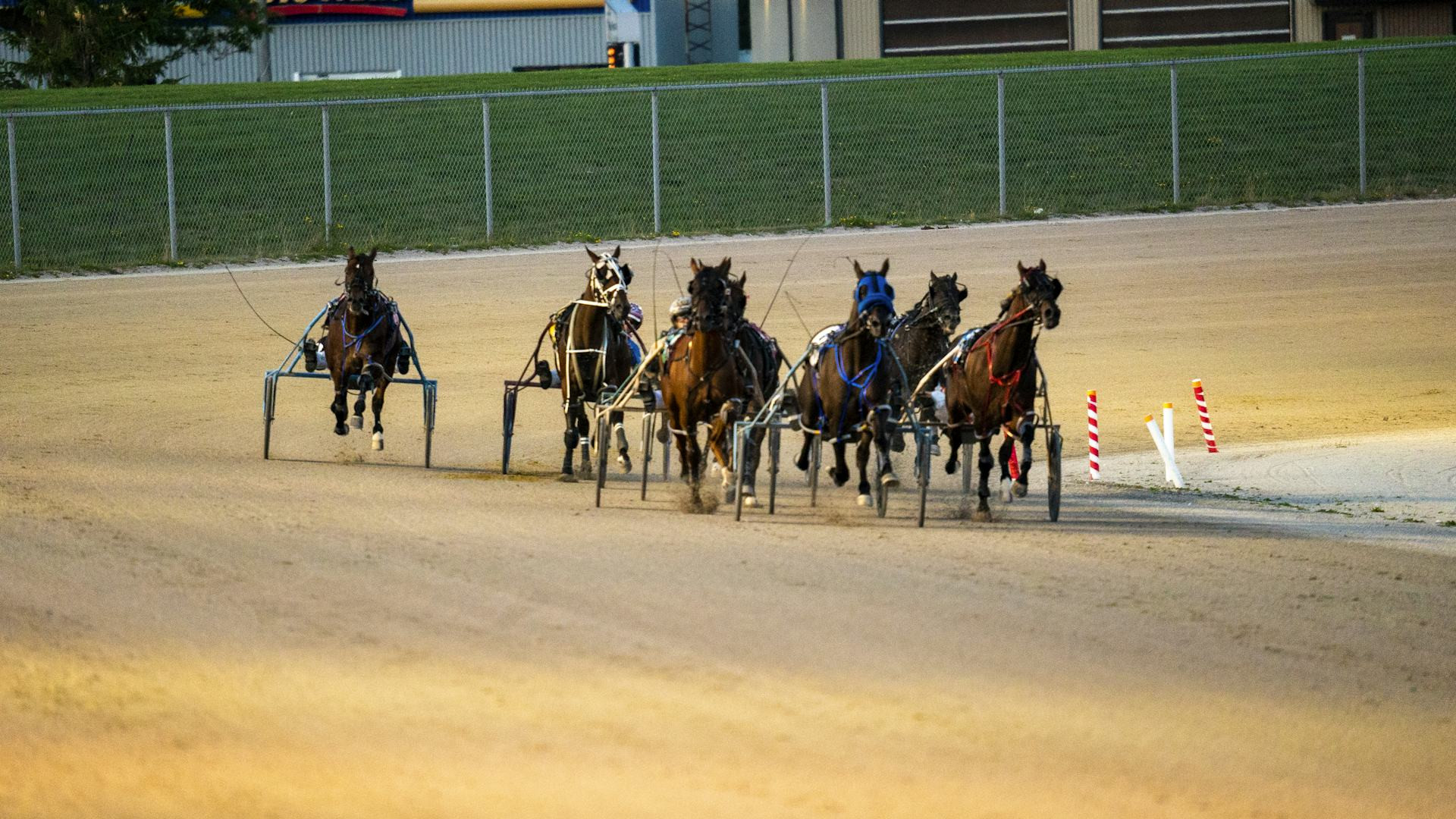
- Harness racing – in this form, the horse pulls a two-wheeled cart called a sulky, driven by a driver. The horse must maintain a specific gait—either a trot or a pace—and breaking into a gallop can lead to disqualification.
- Quarter horse racing – a uniquely American form of racing, featuring short sprints (often a quarter mile) that showcase explosive acceleration and power.
Understanding these distinctions helps you appreciate why some horses excel in long-distance endurance races while others dominate in short, high-speed sprints.
Step 2: Learn to Read a Race Program
A race program is your guide to what’s happening on race day. It contains essential information about each horse, its past performances, the jockey or driver, and other key details.
Important elements to focus on include:
- Form – a record of how the horse has performed in recent races. Consistent form often signals a horse in good condition.
- Post position – the starting gate number. In some races, an inside post can offer an advantage, while in others, outside positions may suit certain running styles.
- Weight – in Thoroughbred racing, horses carry assigned weights that can affect performance. A lighter weight can sometimes mean a faster run.
- Jockey or driver – experienced riders and drivers can make a significant difference, especially in close finishes.
Once you learn to interpret these details, you’ll have a clearer sense of which horses are best positioned to perform well in a given race.
Læs også:


Step 3: Understand Race Tactics
Horse racing isn’t just about raw speed—it’s also about strategy. In Thoroughbred racing, jockeys must judge when to conserve energy and when to make their move. In harness racing, drivers must carefully manage pace and positioning to avoid breaking stride while staying competitive.
Some horses prefer to lead from the start, while others are “closers” that surge forward in the final stretch. Observing these running styles helps you anticipate how a race might unfold.
Step 4: Learn About Training and Preparation
Behind every racehorse is a dedicated team of trainers, grooms, and veterinarians working to keep the horse in peak condition. Training programs are tailored to each horse’s temperament and physical strengths—some thrive on short, intense workouts, while others benefit from longer, steady gallops.
Nutrition, rest, and mental well-being are just as important as physical training. A happy, healthy horse is more likely to perform well. Many fans follow trainer updates and stable news to get insight into a horse’s current form before race day.
Step 5: Experience the Atmosphere at the Track
While you can watch races online or on TV, nothing compares to the thrill of being at the track in person. The thunder of hooves, the cheers of the crowd, and the energy in the air create an unforgettable experience.
Across the U.S., iconic tracks like Churchill Downs in Kentucky, Saratoga Race Course in New York, and Santa Anita Park in California offer visitors a chance to see the sport up close. Many tracks also host behind-the-scenes tours where you can visit the stables and learn how a race day comes together.
Step 6: Understand the Basics of Wagering
For many fans, betting adds an extra layer of excitement to horse racing—but it’s important to approach it with knowledge and responsibility. Common types of bets include:
- Win – you bet on the horse you think will finish first.
- Place – you bet on a horse to finish in the top two.
- Show – you bet on a horse to finish in the top three.
- Exacta, Trifecta, and Superfecta – combination bets where you predict the exact order of finish for multiple horses.
The key is to view wagering as part of the entertainment, not as a guaranteed way to make money. Many fans place small bets simply to make the races more engaging.
Step 7: Follow the Sport and Learn from Experience
The more you watch and read about horse racing, the deeper your understanding will become. Follow race replays, read expert analyses, and pay attention to how horses and jockeys develop over time. Many enthusiasts keep notes on their observations, which can help identify patterns and improve their predictions.
Horse racing is a sport where experience and intuition go hand in hand. Over time, you’ll learn to notice subtle details—from a horse’s body language in the paddock to a jockey’s tactical decisions during the race.
A Sport of Tradition, Passion, and Partnership
Understanding horse racing isn’t just about knowing the rules or results—it’s about appreciating the partnership between human and horse. It’s a sport built on respect, skill, and passion, uniting trainers, riders, owners, and fans in a shared love of competition and grace.
Once you grasp how it all fits together, you’ll discover a world of excitement and tradition—where every race tells its own unique story.
Læs også: