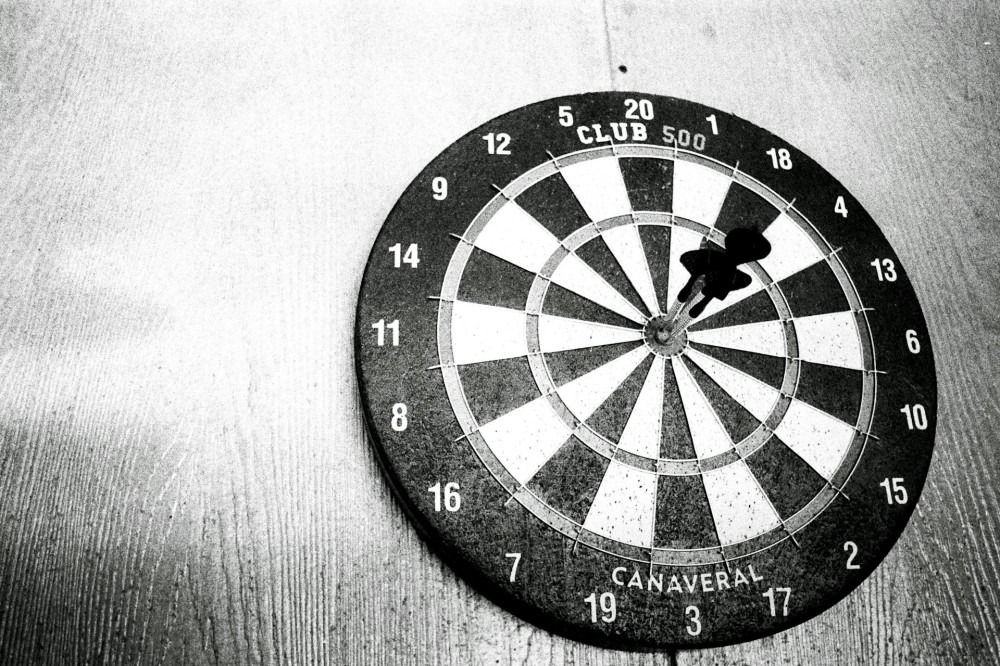
Adjust Your Dart Technique When the Environment Changes


Adjust Your Dart Technique When the Environment Changes
Darts isn’t just about precision and repetition—it’s about adaptability. Even small environmental changes can affect your throw, your focus, and your results. Lighting, temperature, humidity, and background noise all play a role. Learning to adjust your technique and mindset when conditions shift will help you maintain consistency at the oche, no matter where you play.
Know Your Surroundings
Before you throw your first dart, take a moment to assess the space. Is there a draft from an air vent? Are the lights bright or dim? Does the board look different from the one you use at home?
Subtle differences in lighting and shadows can change how you perceive distance and angle. If you’re playing in a new venue—whether it’s a local bar, a friend’s basement, or a tournament hall—take a few warm-up throws to let your eyes and body adjust. That short adjustment period can make the difference between a strong start and a frustrating match.
Læs også:



Adjust Your Throw for Temperature and Humidity
Temperature and humidity can influence both your grip and the dart’s flight. In warm conditions, your hands may get sweaty, making it harder to release the dart cleanly. In cold rooms, your muscles can feel tight, reducing your natural motion.
- In warm conditions: Use a small towel or rosin bag to keep your hands dry, and consider darts with a textured or rubberized grip.
- In cold conditions: Spend a few minutes warming up your shoulders and arms to get your blood flowing before you start throwing.
- In high humidity: Flights and shafts can behave differently—take a few test throws to fine-tune your release and power.
Adapt Your Rhythm to Noise and Distractions
Not every dart venue is quiet. Whether you’re playing in a lively sports bar, a league night at a local pub, or a crowded tournament, background noise can challenge your concentration.
Train your focus by practicing with distractions at home—play music, turn on the TV, or have someone move around behind you while you throw. The more you practice under varied conditions, the less outside noise will affect you when it counts.
Developing a consistent pre-throw routine can also help. A few deep breaths, a steady stance, or a repeated motion before each throw signals your brain that it’s time to focus, no matter what’s happening around you.
Switch Between Different Boards and Setups
Not all dartboards are created equal. Some are firmer, others softer, and even the height or lighting setup can vary slightly from place to place. If you only practice on one board at home, you might be caught off guard when you face a different setup in competition.
Try playing on different boards and in different environments—at home, at your local bar, or at a friend’s house. The more variety you experience, the more adaptable your throw becomes. You’ll learn to make small adjustments in power and aim without losing consistency.
Mental Focus—Your Most Important Adjustment
When conditions change, it’s easy to get frustrated or lose rhythm. But the best dart players are those who stay calm and flexible. Instead of fighting the environment, accept it as part of the game.
Remind yourself that every player faces the same conditions. The one who adapts fastest gains the advantage. Treat environmental changes as opportunities to strengthen your mental resilience—a skill that benefits you far beyond the dartboard.
Conclusion: Consistency Through Adaptation
Mastering darts isn’t just about perfecting your throw—it’s about learning to adapt. Light, temperature, noise, and board type can all influence your performance, but with awareness and small adjustments, you can maintain precision. Learn to read your surroundings, adjust your rhythm, and stay mentally steady. Do that, and you’ll find that your game remains strong and consistent, no matter where you play.
Læs også: