The Role of Technology in Modern Darts: Rules, Precision, and Fair Play

The Role of Technology in Modern Darts: Rules, Precision, and Fair Play
Darts has evolved from a casual pub pastime into a professional sport with international tournaments, televised events, and significant prize money. Alongside this transformation, technology has become a key player—enhancing accuracy, ensuring fairness, and enriching the fan experience. But how exactly has technology reshaped the world of darts, and where should the line be drawn between helpful innovation and unnecessary interference?
From Manual Scoring to Millimeter Accuracy
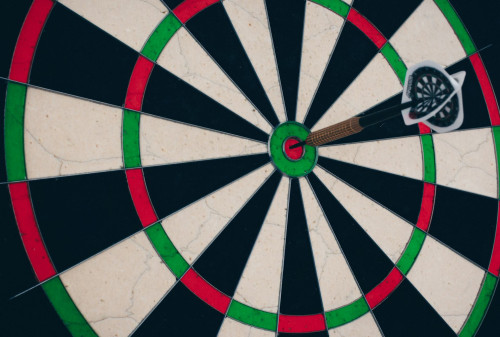
In the early days, scoring in darts relied entirely on the referee’s eyesight. The official would stand close to the board, mark down the scores, and settle any disputes on the spot. Today, that process looks very different. Professional competitions now use high-speed cameras and laser-based tracking systems that record dart placements with millimeter precision. Platforms like DartConnect and Nakka have become standard tools for digital scoring and live match tracking.
This shift has dramatically reduced human error and eliminated most scoring controversies. When a dart lands near a boundary line, the system can instantly determine whether it’s in or out. As a result, referees now focus more on monitoring the technology and maintaining the flow of the game rather than making judgment calls by eye.
Ensuring Fair Play in a Digital Era
As darts has grown more competitive and lucrative, the need for fair play has become increasingly important. Technology plays a crucial role here as well. Electronic scoreboards, live data feeds, and performance analytics make it easier to detect irregularities that could suggest cheating or manipulation.
While darts is not as physically demanding as sports like cycling or track and field, it still falls under anti-doping regulations. Organizations such as the Professional Darts Corporation (PDC) and the World Darts Federation (WDF) use digital databases to track testing results and ensure that all players compete on equal terms. The integration of technology into these systems helps maintain transparency and trust in the sport’s integrity.
Fans, Data, and the Modern Viewing Experience
For fans, technology has transformed how darts is experienced. Live streaming, instant replays, and interactive statistics allow viewers to follow every throw in detail. Many tournaments now offer mobile apps that display real-time averages, checkout percentages, and historical performance data.
This data-driven approach has also changed how commentators and analysts discuss the game. Using heatmaps, shot charts, and predictive models, they can break down strategies and highlight trends that were once invisible to the naked eye. The result is a richer, more engaging experience for both newcomers and long-time enthusiasts.
Læs også:


Training and Player Development in the Digital Age
Technology has also revolutionized how players train. Digital dartboards and smart scoring systems can track every throw, providing feedback on accuracy, rhythm, and consistency. Apps like GoDartsPro and DartPro help players analyze their performance over time, identify weaknesses, and set measurable goals.
For professionals, this means training can be more targeted and data-informed than ever before. For amateurs, it adds a fun and motivating way to track progress—bridging the gap between casual play and competitive ambition.
Balancing Tradition and Innovation
Despite all these advancements, darts remains deeply rooted in tradition. Many players and fans cherish the classic atmosphere—the sound of darts hitting the board, the camaraderie of the crowd, and the human element that defines the sport. The challenge, then, is to embrace technology as a supportive tool rather than a replacement for the game’s spirit.
Looking ahead, we can expect even more sophisticated systems, perhaps incorporating artificial intelligence to predict throws or analyze player psychology. Yet no matter how advanced the technology becomes, darts will always be a game of focus, precision, and human skill at its core.
Læs også: