TKO or KO? Understand the Difference Before You Place Your Bet

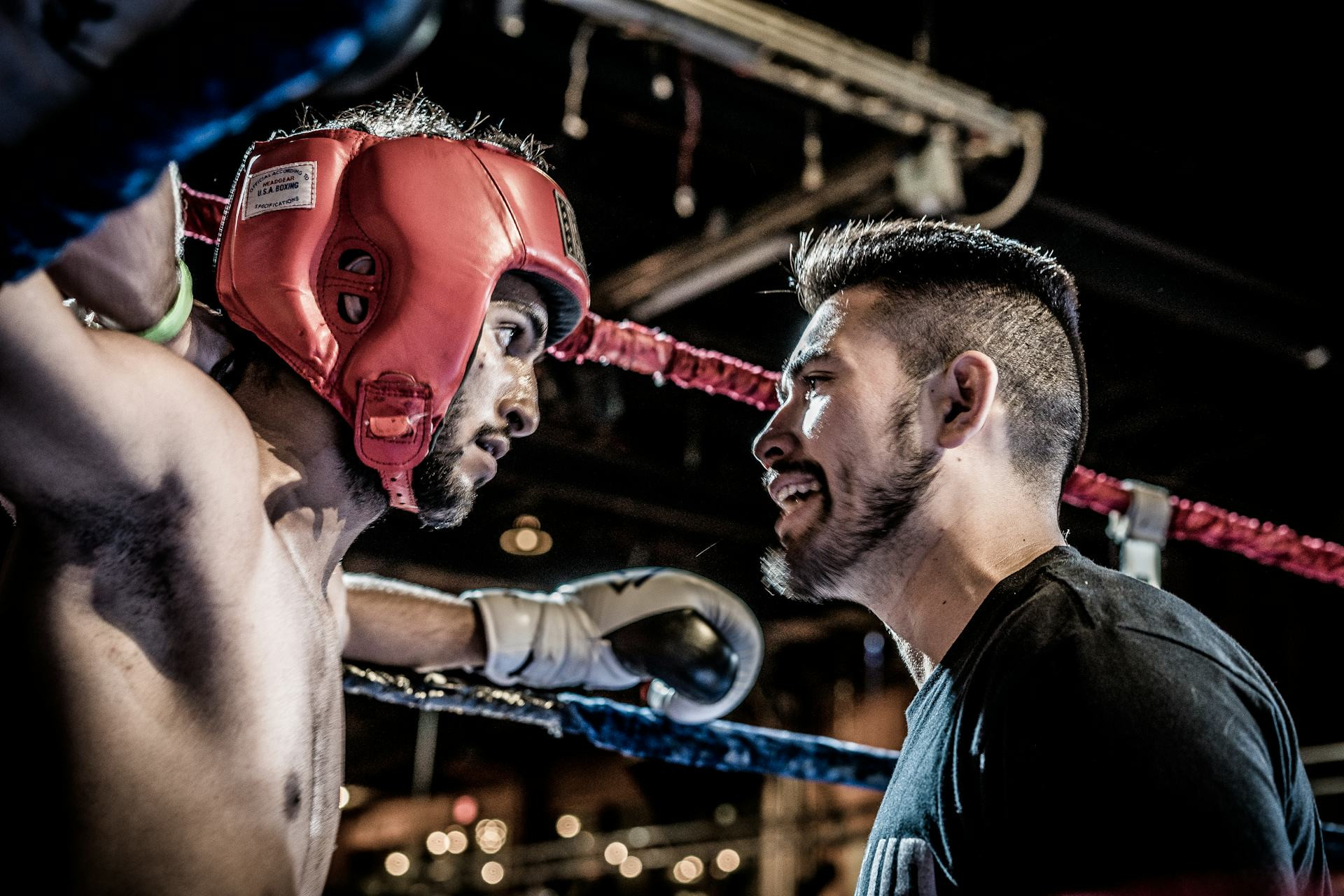
TKO or KO? Understand the Difference Before You Place Your Bet
If you’re watching a boxing match—or thinking about placing a bet on one—you’ve probably heard the terms KO and TKO thrown around by commentators. They sound similar, and many fans use them interchangeably, but they actually describe two different ways a fight can end. For anyone betting on boxing, knowing the difference can help you read the odds correctly and make smarter wagers.
What Does KO Mean?
KO stands for knockout, the most dramatic finish in boxing. It happens when a fighter is knocked down and can’t get back up before the referee counts to ten. The fight ends immediately, and the opponent is declared the winner.
A KO is clear-cut—there’s no debate about who won. It’s the kind of ending that makes highlight reels and gets fans on their feet. For bettors, a KO can sometimes mean higher odds, since it requires a clean, decisive punch that ends the fight outright.
What Does TKO Mean?
TKO stands for technical knockout. In this case, the fight is stopped not because a boxer is unconscious, but because the referee, ringside doctor, or the boxer’s own corner decides he can’t continue safely. It might be due to repeated unanswered punches, a cut that won’t stop bleeding, or a fighter who looks too dazed to defend himself.
A TKO is a safety call—it’s about protecting the athlete. It may not look as spectacular as a one-punch KO, but it’s just as official. In fact, most modern stoppages in professional boxing are TKOs, since referees are quicker to step in to prevent serious injury.
Why the Difference Matters for Betting
When you bet on boxing, you’ll often see options like who wins, which round the fight ends in, or how the victory happens. In most sportsbooks, both KO and TKO count as “win by knockout.” That means if you bet on a fighter to win by knockout, you’ll win whether it’s a KO or a TKO.
However, some sportsbooks offer more specific prop bets that separate the two. For example, a bet on a fighter to win by clean knockout might only pay if the opponent is counted out. Always read the fine print before placing your wager so you know exactly how the outcome will be graded.
Real-World Examples
Imagine Fighter A lands a crushing right hand that drops his opponent. The opponent tries to get up but can’t beat the ten-count—that’s a KO.
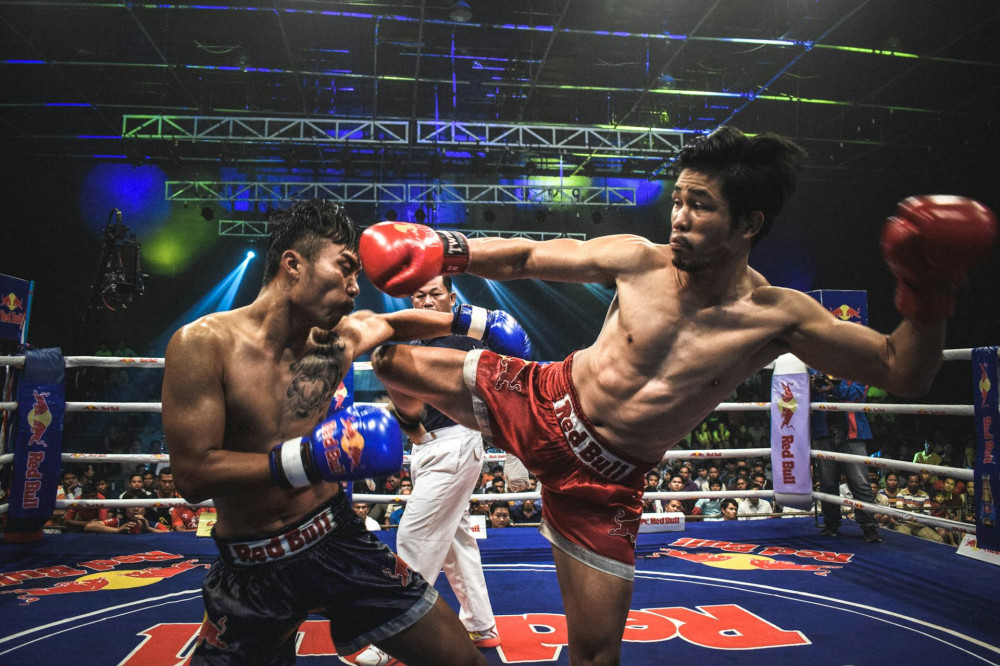
In another fight, Fighter B takes a barrage of punches, stumbles, and can’t defend himself. The referee steps in to stop the action—that’s a TKO. In both cases, the fight ends early, but the reason for the stoppage is different.
Stats and Strategy
In today’s boxing, most stoppages are TKOs rather than KOs. Referees and medical staff are more proactive about fighter safety, which means fewer boxers are left unconscious on the canvas. For bettors, that means a “win by knockout” bet often has a higher probability of hitting, since it includes both outcomes.
When analyzing a matchup, look at each fighter’s record. Do they have a history of one-punch knockouts, or do they tend to wear opponents down over several rounds? A fighter known for relentless pressure might be more likely to win by TKO, while a heavy-handed puncher could deliver a clean KO.
How to Use KO and TKO Knowledge in Your Bets
- Study the matchup: Two power punchers increase the chance of a KO, while a technical fighter might force a TKO through sustained pressure.
- Check the sportsbook’s definitions: Some count only KOs as “knockouts,” while others include TKOs.
- Consider round betting: If you expect an early stoppage, you can bet on the fight ending before a certain round—regardless of whether it’s a KO or TKO.
- Watch fighter form: A boxer returning from injury or a long layoff might be more vulnerable to a TKO, as referees are quicker to intervene.
Læs også:



Conclusion: Two Paths to the Same Result
Both KO and TKO mean the fight ends before the final bell, and one fighter wins decisively. The difference lies in how it happens—either the opponent can’t get up, or the referee stops the fight for safety reasons. For fans, it’s a subtle distinction; for bettors, it can be the difference between a win and a loss.
So next time you’re watching a bout or placing a wager, remember: a TKO isn’t a “lesser” victory—it’s simply a technical way to protect fighters. And in the world of betting, it counts just as much as a classic knockout.
Læs også: