How Bookmakers Use Historical Cycling Races to Create Fair Markets

How Bookmakers Use Historical Cycling Races to Create Fair Markets
When the spring classics and summer stage races light up the cycling calendar, millions of fans tune in—and thousands of bookmakers work behind the scenes. Setting fair and realistic odds for cycling events takes far more than knowing the riders’ names. It’s about understanding history, data, and the patterns that repeat year after year. Historical race data is one of the bookmaker’s most valuable tools for assessing probabilities and ensuring that betting markets reflect reality as accurately as possible.
Past Data as the Foundation
Bookmakers collect vast amounts of data from previous races—everything from wind speed and temperature to finishing times, team strategies, and course profiles. These data points are used to build predictive models that estimate how a race is likely to unfold.
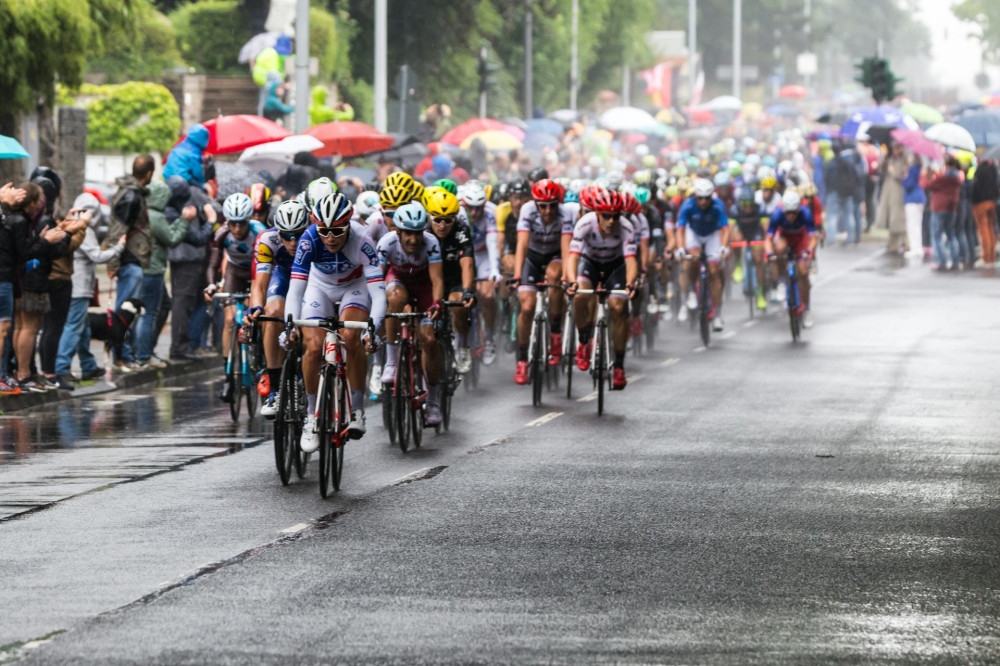
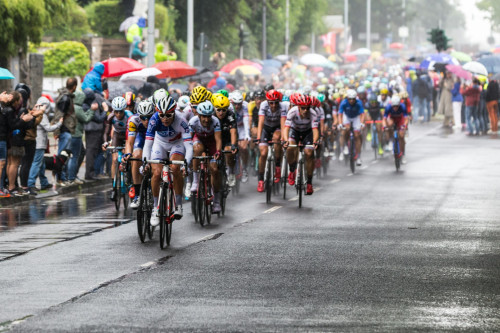
Take Paris–Roubaix, for example, one of cycling’s most unpredictable one-day races. Historical data show that dry conditions often favor powerful time trialists, while rain and mud benefit technically skilled riders who can handle slippery cobblestones. By analyzing decades of results, bookmakers can adjust odds to reflect how different weather scenarios influence outcomes.
Læs også:
Rider Profiles and Performance Patterns
Another key part of the analysis focuses on individual riders. Bookmakers don’t just look at who won last year—they study how each rider performs under specific conditions. Some excel in the mountains, others on flat terrain or in crosswinds. By comparing performances across races and seasons, analysts can identify recurring patterns.
For instance, a rider who traditionally peaks in April might have shorter odds in the spring classics, while a stage racer who builds form later in the summer will be evaluated differently. The goal is to find each rider’s rhythm and use it to create realistic markets.
Team Tactics and Historical Cooperation
Cycling is as much a team sport as it is an individual one. Team tactics play a huge role, and bookmakers rely on historical data here as well. Which teams have a history of working together in breakaways? Which riders tend to sacrifice themselves for their leaders—and when do they go for personal glory?
By studying past races, bookmakers can anticipate how teams are likely to behave in certain situations. This allows them to adjust odds dynamically, reflecting both individual and collective strategies.
Technology and Machine Learning in Modern Odds Setting
Today, many bookmakers use advanced algorithms and machine learning to process historical data. These systems can detect patterns that human analysts might miss—such as subtle correlations between a rider’s form curve, weather conditions, and course characteristics.
Still, even the most sophisticated models require human judgment. Has a rider recently changed teams? Is he recovering from an injury? Has the race route been altered in a way that makes past data less relevant? The combination of technology and expert insight is what produces the most accurate and fair markets.
Fairness as a Goal—Not Just Profit
While bookmakers are, of course, in business to make money, fairness is central to their work. A market where odds reflect true probabilities attracts more bettors and builds trust. It’s in the bookmaker’s best interest to use historical data responsibly—not to manipulate, but to balance.
When odds are realistic, both bookmaker and bettor feel that the game is fair. That balance is what makes cycling betting a unique blend of statistics, sport, and strategy.
History Repeats Itself—But Never Completely
Although historical data is invaluable, every bookmaker knows that cycling always contains an element of unpredictability. A crash, a puncture, or a sudden tactical move can change everything. The goal isn’t to predict the future with certainty, but to understand probabilities as deeply as possible.
History provides the framework—but it’s today’s riders who write the next chapter. And it’s in the tension between past patterns and present surprises that truly fair markets are born.
Læs også: