Team Strategy and Cooperation – The Key to Better Cycling Betting Tips


Team Strategy and Cooperation – The Key to Better Cycling Betting Tips
When you follow professional cycling, it’s easy to get caught up in the brilliance of individual riders — the explosive sprinter, the relentless climber, or the tactically gifted team leader. But behind every victory lies a carefully coordinated team effort. For anyone interested in cycling as a betting market, understanding team strategy and cooperation is essential. It’s often in these subtle dynamics that you’ll find the edge between a winning bet and a losing one.
Why Team Strategy Matters
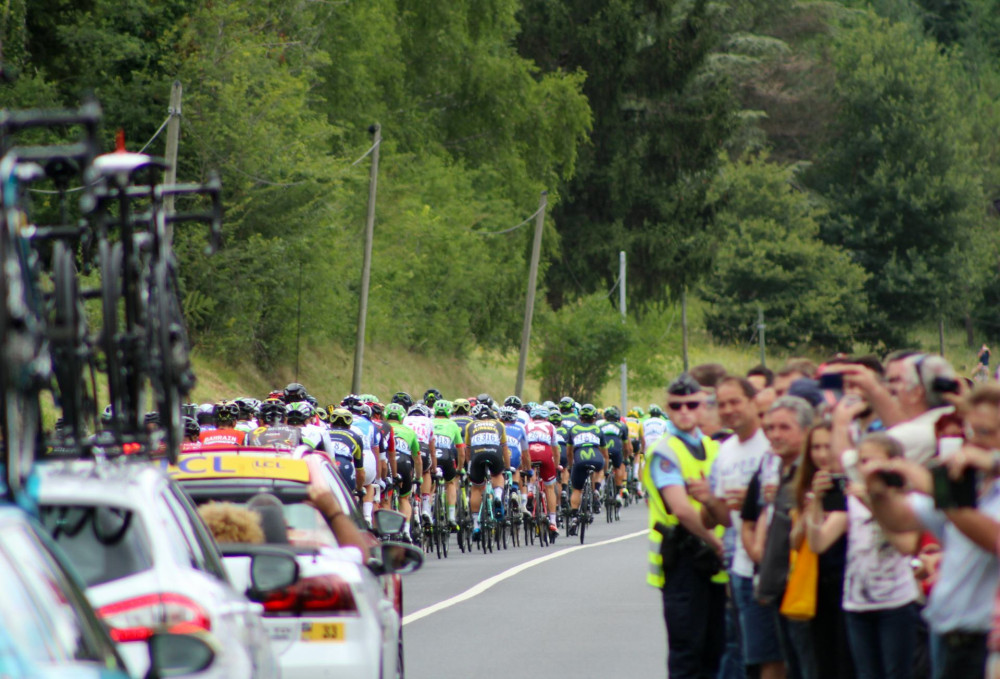
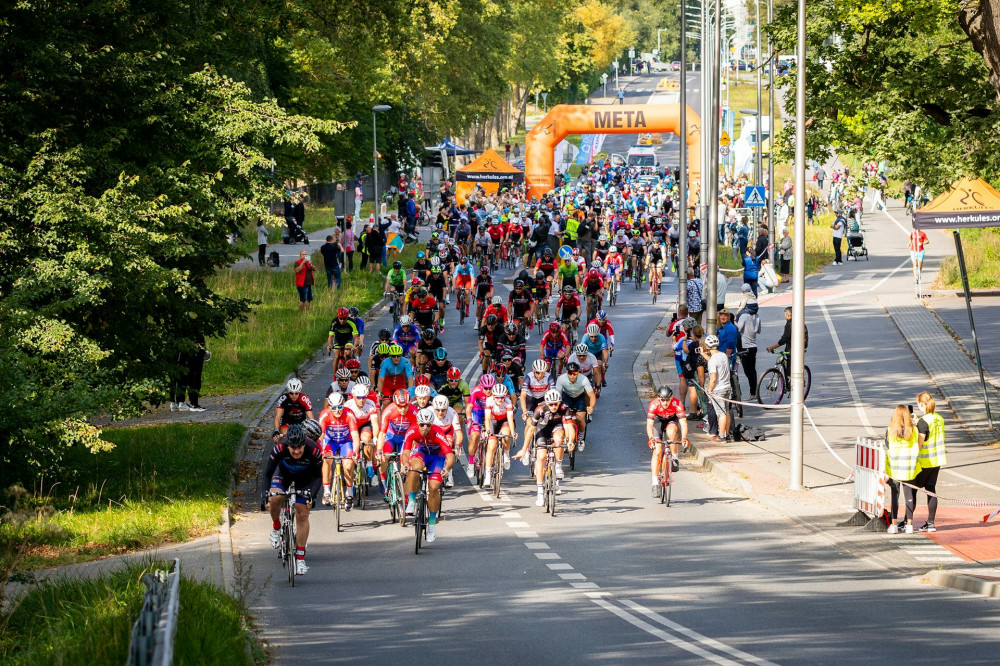
Cycling is, at its core, a team sport disguised as an individual competition. While only one rider crosses the finish line first, that success is rarely achieved alone. Teams play a crucial role in controlling the race, protecting their leader, and setting up the right conditions for attacks or sprints.
When analyzing a race for betting purposes, you shouldn’t just look at individual form. The team’s structure, depth, and tactical approach are just as important. A strong team can elevate a slightly off-form leader, while a weak team can leave even the best rider isolated and vulnerable.
Roles and Cooperation Within a Cycling Team
A professional cycling team is built around riders with distinct roles and specialties:
- The Team Leader – the rider the team supports for overall victory or stage wins.
- Domestiques – support riders who sacrifice their own chances to help the leader, fetching bottles, setting pace, or shielding from the wind.
- The Sprinter – the fast finisher who relies on teammates to position them perfectly for the final meters.
- The Climber – the lightweight specialist who shines on steep mountain stages.
- The Time Trialist – the steady powerhouse who excels in solo efforts or team time trials.
When evaluating a team’s potential, consider how these roles complement each other. A sprinter without a strong lead-out train will struggle in flat finishes, while a climber without mountain support may lose precious time on key ascents.
Race Type and Tactical Opportunities
Not all races demand the same kind of teamwork. One-day classics like the Tour of Flanders or Paris-Roubaix often reward opportunistic tactics and split-second decisions. In contrast, stage races such as the Tour de France or the Giro d’Italia require long-term planning, energy management, and consistent teamwork over several weeks.
For bettors, this means analyzing the race profile carefully. A team built for climbing won’t dominate flat classics, while a sprint-focused team may shine early in a Grand Tour but fade in the mountains. Matching a team’s strengths to the race’s demands is one of the most valuable insights you can gain.
Cooperation Under Pressure – When Plans Meet Reality
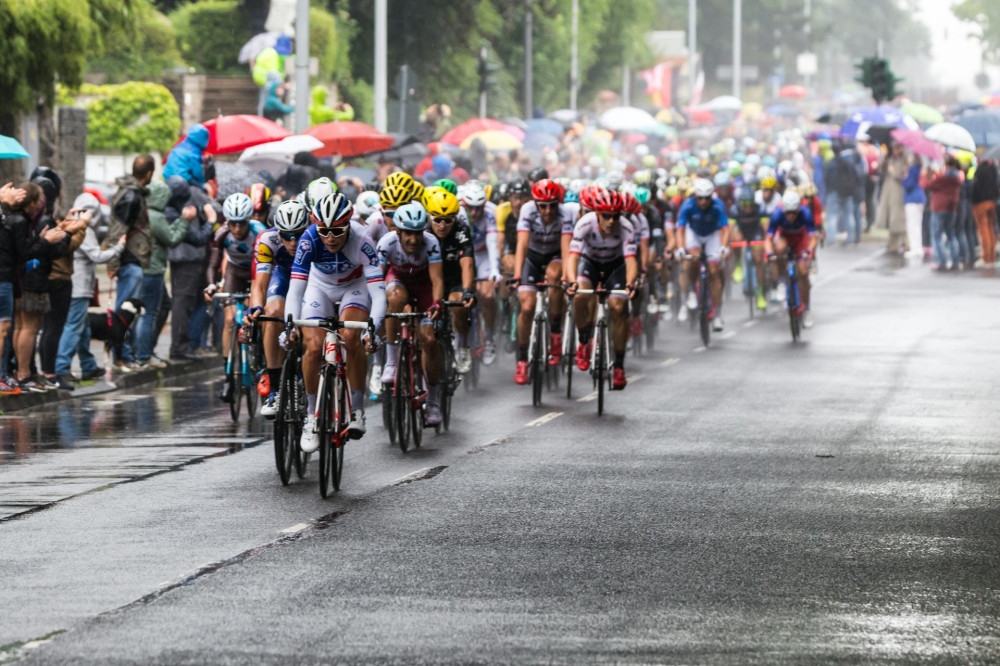
Even the best-laid strategies can unravel when the race takes unexpected turns. Weather changes, crashes, or rival attacks can force teams to adapt on the fly. The most cohesive teams are those that can stay calm, reorganize, and seize new opportunities as they arise.
For bettors, it’s worth noting how teams perform under pressure. Teams that have shown tactical flexibility and strong communication often outperform expectations — and can deliver surprising results that the odds may not fully reflect.
Data, Form, and Team Dynamics – Three Keys to Smarter Betting
When assessing a team’s chances, combine three types of information:
- Data – past results, power metrics, and performance in similar races.
- Form – the current condition of key riders, based on recent performances or team updates.
- Dynamics – the internal chemistry of the team. Are roles clearly defined? Is there trust and cohesion, or internal rivalry?
A team in good form, with clear leadership and strong cooperation, is often a better bet than a star-studded lineup lacking unity.
Læs også:
From Analysis to Action
Turning your analysis into actionable betting tips is about finding value — situations where the market underestimates a team’s tactical strength. This could be a team with multiple riders capable of winning, or one that has shown the ability to control races in crosswinds or chaotic conditions.
Understanding team strategy isn’t just a niche interest; it’s one of the most reliable ways to uncover value in cycling betting. The more you grasp the teamwork behind the results, the sharper and more informed your predictions will become.
Læs også: