Understanding Market Reactions and Using Them as Value Indicators in Cycling Betting


Understanding Market Reactions and Using Them as Value Indicators in Cycling Betting
When betting on cycling, success isn’t just about knowing the riders and the routes—it’s also about understanding the market. The odds that move up and down before a race reflect not only the bookmakers’ assessments but also the collective expectations of thousands of bettors. Learning to read these market reactions can give you a crucial edge in identifying where real value lies.
What Is a Market Reaction?
A market reaction occurs when odds shift in response to new information or changing demand. It could be triggered by a rider’s illness, weather forecasts, team tactics, or simply a surge of bets on a popular favorite. When many bettors back the same rider, bookmakers adjust the odds downward to balance their risk—causing the odds on other riders to rise.
For you as a bettor, these movements are interesting because they reveal where the money—and therefore the confidence—is flowing. But that doesn’t mean the market is always right.
The Market as an Information Source
In cycling betting, information is often fragmented. Teams keep their strategies secret, and media coverage tends to focus on the biggest names. That’s why market movements can serve as a signal that new information is circulating.
If an outsider’s odds suddenly shorten, it might indicate that someone has picked up on something—perhaps a change in team tactics or a course profile that suits the rider better than initially thought. This doesn’t mean you should follow the crowd blindly, but it’s a cue to investigate what’s driving the shift.
When the Market Gets It Wrong
While markets are often efficient, they can overreact. In cycling, this happens frequently when a popular rider wins a major race and then attracts heavy betting in the following weeks—regardless of whether the upcoming course or conditions actually suit them. Analytical bettors can find value by going against that momentum.
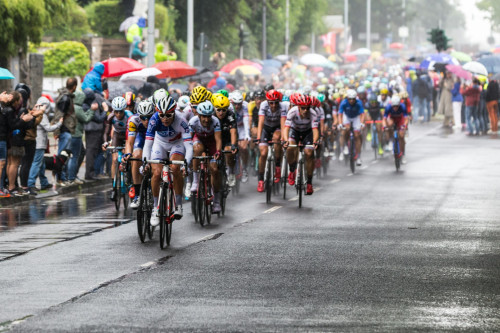
Another common overreaction occurs when weather forecasts change shortly before a race. Many bettors respond quickly, but not always rationally. A rainy day might favor technically skilled riders, but the market can exaggerate the impact and push the odds too far in one direction.
Læs også:
How to Use Market Reactions as Value Indicators
Understanding market reactions isn’t about predicting every odds movement—it’s about using them as a tool in your analysis. Here are some practical ways to do that:
- Track odds over time. Note how prices move from opening to race start. This helps you see where the market is heading and when it stabilizes.
- Compare across sportsbooks. Large differences in odds can signal that the market hasn’t settled yet—and that potential value may exist.
- Look for patterns. Some teams or riders are consistently overvalued because they have large fan bases. Recognizing these biases can help you spot opportunities.
- Be critical of news. Not all information that moves the market is meaningful. Learn to distinguish between genuine insights and overreactions.
Combining Data and Market Psychology
The best cycling bettors combine data analysis with an understanding of market psychology. Statistics can tell you who objectively has strong chances, but the market shows you how others perceive those chances. When you find discrepancies between the two, that’s where value emerges.
It takes patience and discipline to use market reactions effectively. Over time, you’ll start to recognize patterns that aren’t obvious at first glance—and that’s where the difference between luck and skill truly lies.
The Market as Your Partner
Instead of viewing the market as an opponent, think of it as a sparring partner. Every odds movement tells you something about how others are thinking. By listening to those signals—while maintaining your own analytical judgment—you can become a sharper, more strategic bettor.
In the end, cycling betting is about understanding both the sport and the people behind the numbers. Market reactions aren’t the final answer, but they’re a compass that can help you navigate toward real value.
Læs også: